How to Store Peptides Safely: 2026 Research & Best Practices
Learn how to store peptides safely in 2026. Maintain peptide stability, prevent degradation, and follow lab-tested storage guidelines.
Introduction
Peptides are sensitive biological compounds that require proper storage to maintain their stability and effectiveness. Whether you’re working with BPC-157, TB-500, or GHK-Cu, improper handling can degrade the peptide and compromise research results. In this guide, we explain how to store peptides safely, best practices for temperature control, and tips for beginners and experienced researchers alike.
Why Proper Peptide Storage Matters
Improper storage can lead to:
- Reduced potency and effectiveness
- Changes in molecular structure
- Contamination or bacterial growth
- Wasted research material
Following verified storage guidelines ensures your peptides remain research-grade and reliable for experiments.
General Storage Guidelines for Peptides
1. Temperature Control
- Most lyophilized (freeze-dried) peptides should be stored at -20°C or in a dedicated freezer.
- Reconstituted peptides often require 2–8°C refrigeration.
- Avoid repeated freeze-thaw cycles to prevent degradation.
2. Light and Humidity Protection
- Store peptides in dark, airtight containers.
- Avoid prolonged exposure to UV light or moisture, which can break down the peptide.
3. Use of Sterile Materials
- Always handle peptides with sterile vials, pipettes, and gloves.
- Prevent contamination by minimizing exposure to open air.
4. Labeling & Organization
- Clearly label each peptide with the name, concentration, and reconstitution date.
- Organize by type and expiry to prevent accidental misuse.
Best Practices for Specific Peptides
BPC-157
- Freeze-dried: store at -20°C
- Reconstituted: store at 2–8°C for up to 2 weeks
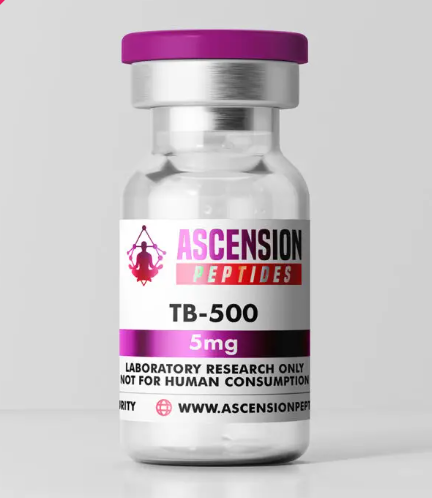
TB-500
- Sensitive to light: store in amber vials
- Refrigerate reconstituted peptide to maintain activity
GHK-Cu
- Store in dry, dark, and cool conditions
- Avoid prolonged exposure to room temperature
Frequently Asked Questions (FAQ)
Can peptides be stored at room temperature?
Short-term storage may be possible for some lyophilized peptides, but long-term storage should always be refrigerated or frozen.
How long can peptides stay reconstituted?
It depends on the peptide. Most reconstituted peptides remain stable 1–4 weeks when stored in the fridge. Always consult the supplier’s COA.
How can I tell if a peptide has gone bad?
Look for discoloration, clumping, or an unusual odor. If any of these appear, discard the peptide to avoid unreliable research results.
Linking to Peptide Research & Suppliers
For reliable peptides and more information:
- BPC-157 Benefits & Risks
- New Peptide Discoveries 2026
- Check suppliers like Pinnacle Peptide Labs or Ascension Peptides for lab-tested peptides.
Conclusion
Proper storage is critical to maintain peptide stability, prevent degradation, and ensure safe research results. Always follow verified guidelines, use sterile handling practices, and store peptides according to type and reconstitution status. By adhering to these practices, researchers can maximize the reliability and longevity of their peptides.
Leave a Reply