Home: peptide-news.com
BPC-157 Compared to Other Techniques: Benefits, Mechanisms, and Risks
Please note: The peptides and compounds referenced in this article are not FDA-approved for human use. The information here is provided strictly for research and educational purposes and is not medical advice, nor an endorsement of use outside a research setting.
In research discussions around peptides and recovery signaling, BPC-157 is one of the most frequently mentioned compounds. But how does it compare with other commonly discussed techniques and signaling mechanisms? This article explores BPC-157’s underlying theory, how it’s discussed relative to other approaches, and the benefits and considerations most often mentioned in research forums.
This article is informational and does not provide medical advice or usage guidance.
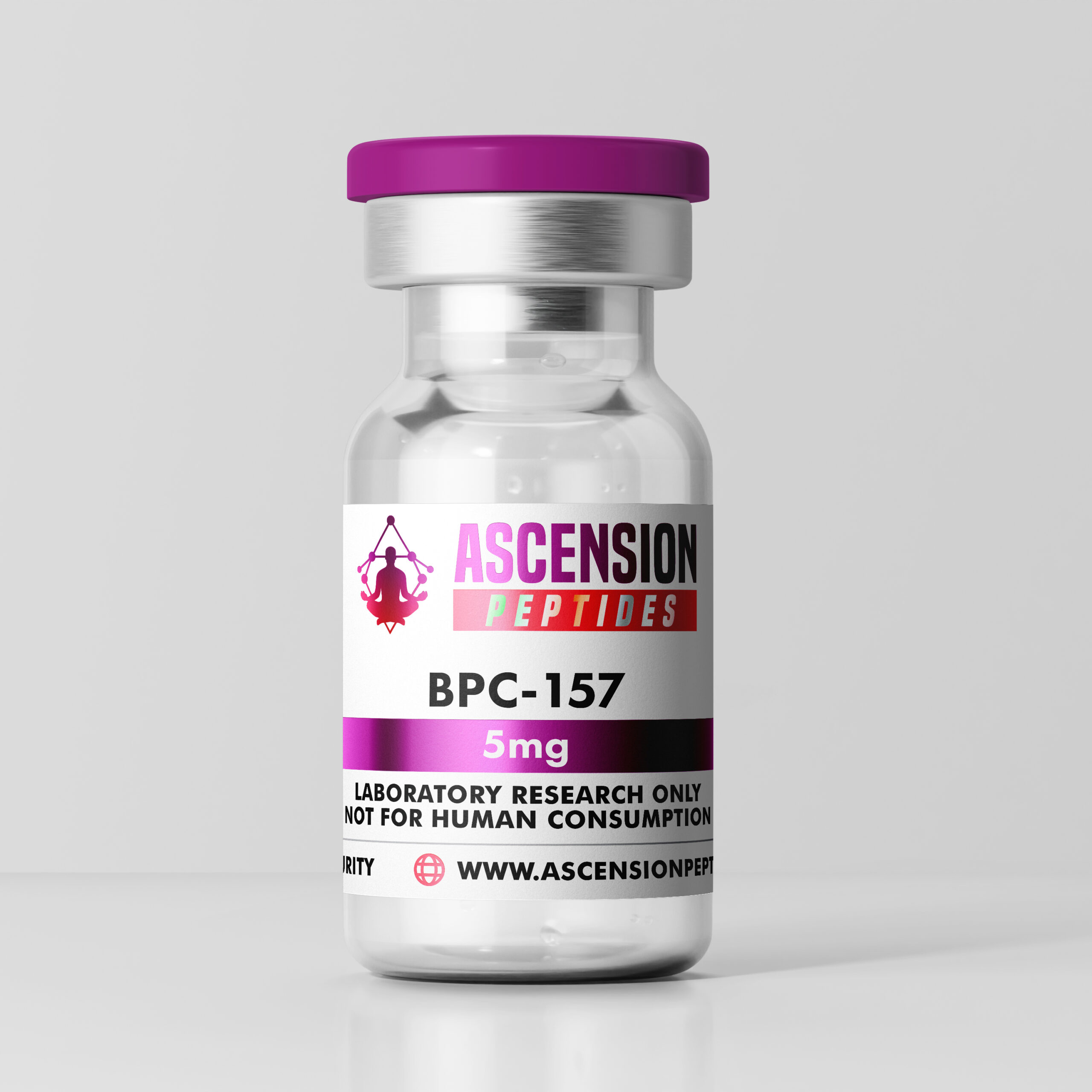
Visual Overview: BPC-157 Images & Options


What Is BPC-157? (Mechanism Overview)
BPC-157 is a peptide fragment derived from a naturally occurring protein found in gastric juice. In research communities, it’s often discussed in the context of cellular signaling pathways associated with localized repair and inflammation modulation. Theories about mechanisms focus on how peptide fragments may influence local cellular environments.
How BPC-157 Is Compared to Other Techniques
BPC-157 vs Physical Therapy & Manual Techniques
Physical therapy involves structured movement and tissue loading protocols. Community discussions sometimes contrast this with peptide signaling theories, where BPC-157 is viewed through a molecular signaling lens rather than through mechanical loading improvements.
BPC-157 vs NSAIDs (Non-Steroidal Anti-Inflammatory Drugs)
NSAIDs act on broad inflammatory pathways. In contrast, BPC-157 discussions in research forums emphasize potential local signaling effects rather than systemic inflammation suppression, although neither approach has large-scale human validation.
BPC-157 vs Collagen & Nutraceutical Support
Collagen and nutraceuticals are structural building blocks, whereas peptide signaling discussions focus on cellular communication. Community users often debate whether combining structural support with theoretical signaling pathways makes sense.
Key Benefits Often Discussed
- Theoretical signaling modulation: Potential influence on local cellular pathways
- Localized network interest: Focus on specific pathways rather than systemic suppression
- Discussion of compatibility: Some threads explore combining peptides with physical or nutritional approaches
Theoretical Risks and Considerations
- Lack of standardized human research: Most published studies are preclinical or theoretical
- Signaling complexity: Cellular pathways are multifaceted and not fully mapped
- Compound quality concerns: Discussion threads highlight variability among sources
Comparison Table: BPC-157 vs Other Techniques
| Approach | Mechanism Type | Research Discussion Focus | Potential Benefits (Community Perspective) | Main Considerations / Risks |
|---|---|---|---|---|
| BPC-157 | Peptide signaling fragment | Cellular signaling & pathways | Specific signaling focus | Limited human research, complex pathways |
| Physical Therapy | Mechanical movement protocols | Mobility and functional recovery | Improved function and strength adaptation | Requires technique and consistency |
| NSAIDs | Systemic inflammatory modulation | Inflammation pathway suppression | Temporary reduction of inflammation | Non-specific effects, not pathway-focused |
| Collagen/Nutraceuticals | Structural building support | Tissue integrity and precursor support | Potential structural tissue support | Variable absorption, not signaling-based |
Available Discounts & Codes
- Iron Peptide – Use code IRONMAN
- Pinnacle Peptide Labs – Use code Bonus22
- Ascension Peptides – Use code Pepti10
FTC Disclosure
This article contains links to external vendors. We may receive compensation if products are accessed through links at no additional cost to you. This disclosure is provided for transparency and compliance.
Leave a Reply