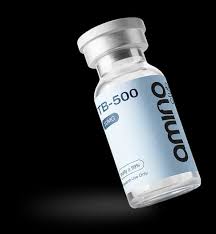
Amino Club Top Research Peptides
Amino Club has become a popular name in the research peptide space, offering a range of compounds commonly discussed in metabolic, cosmetic, and recovery-focused research categories. Below are three standout options frequently searched by researchers.
Research Use Only: The compounds discussed below are for research purposes only and are not intended to diagnose, treat, cure, or prevent any disease. Always review supplier documentation, testing information, and applicable regulations.


Use our code AMINOSAVE when browsing Amino Club’s research peptide catalog.
For research use only. Not intended to diagnose, treat, cure, or prevent any disease.
Why Researchers Choose Amino Club
Amino Club has become a well-known name in the research peptide industry due to its growing catalog of compounds and focus on providing products that appeal to a wide range of research interests. From metabolic-focused compounds to cosmetic and recovery-related peptides, the company offers access to many of the most discussed compounds in peptide communities today.
One reason Amino Club continues to attract attention is the variety of compounds available through its platform. Researchers frequently compare suppliers based on product selection, documentation, transparency, and overall user experience. Amino Club’s catalog includes compounds commonly discussed in relation to metabolic research, tissue research, cosmetic peptide studies, and longevity-focused investigations.
As interest in peptide research continues to grow, many researchers look for suppliers that maintain organized product listings and provide clear information regarding available compounds. Amino Club has become a recognizable option for individuals researching emerging peptides and comparing different suppliers within the industry.
The Growing Interest in Peptide Research
Peptide research has expanded significantly over the past decade. Researchers continue to investigate peptides because they play important roles in cellular communication, signaling pathways, and numerous biological processes. This growing interest has led to increased discussion surrounding compounds such as BPC-157, GHK-Cu, MOTS-c, CJC-1295, Ipamorelin, and GLP-related peptides.
Different peptides are often studied for different research purposes. Some compounds are frequently discussed in metabolic and mitochondrial research, while others are commonly associated with tissue-related investigations, cosmetic applications, or growth hormone signaling research. Because of these differences, researchers often spend significant time comparing peptide categories and reviewing available literature before selecting compounds for further study.
In addition to individual compounds, there has also been increasing interest in peptide stacks, cycle planning, timing protocols, and supplier comparisons. This has created a growing demand for educational resources that help researchers better understand the differences between various peptides and suppliers.
Popular Research Categories
Research peptides are often grouped into several broad categories based on their primary area of investigation:
- Metabolic Research: Compounds such as Reta (GLP-3), Semaglutide-related peptides, and Tirzepatide-related compounds.
- Recovery Research: Peptides such as BPC-157 and TB-500 are frequently discussed in recovery-focused research communities.
- Cosmetic Research: GHK-Cu remains one of the most recognizable compounds in cosmetic peptide discussions.
- Growth Hormone Signaling Research: Compounds such as CJC-1295 and Ipamorelin continue to generate significant interest.
- Mitochondrial Research: Peptides like MOTS-c are frequently discussed within longevity and cellular energy research communities.
Because peptide research continues to evolve, researchers often compare multiple suppliers, review testing information, and explore educational resources before making purchasing decisions. This growing interest has helped make suppliers like Amino Club increasingly visible within peptide communities.
Use Our Code: AMINOSAVE
Readers can use our code AMINOSAVE when checking out Amino Club’s research peptide catalog.
Visit Amino Club
Leave a Reply